It's Dr Amy from Collagenie, here to talk about something every pet parent sees daily but few stop to really think about - poop!
Yep, we’re going there. Because when it comes to your pet’s wellness, what’s in the bowl and what comes out the other end can reveal a lot about what’s going on inside.
Why gut health matters for your pets
Your pet’s gut is home to trillions of microorganisms - a microscopic ecosystem called the gut microbiome. This community helps digest food, absorb nutrients, and defend against harmful bacteria.
In fact, around 80% of your pet’s immune system lives in the gut. So when the microbiome is balanced, you’ll see it reflected in:
✨ Smooth digestion
✨ Strong immunity
✨ A glossy coat
✨ Steady energy
✨ Even a happier mood
That’s why gut health isn’t just about digestion - it’s the foundation of whole-body wellness.
The gut–poop connection
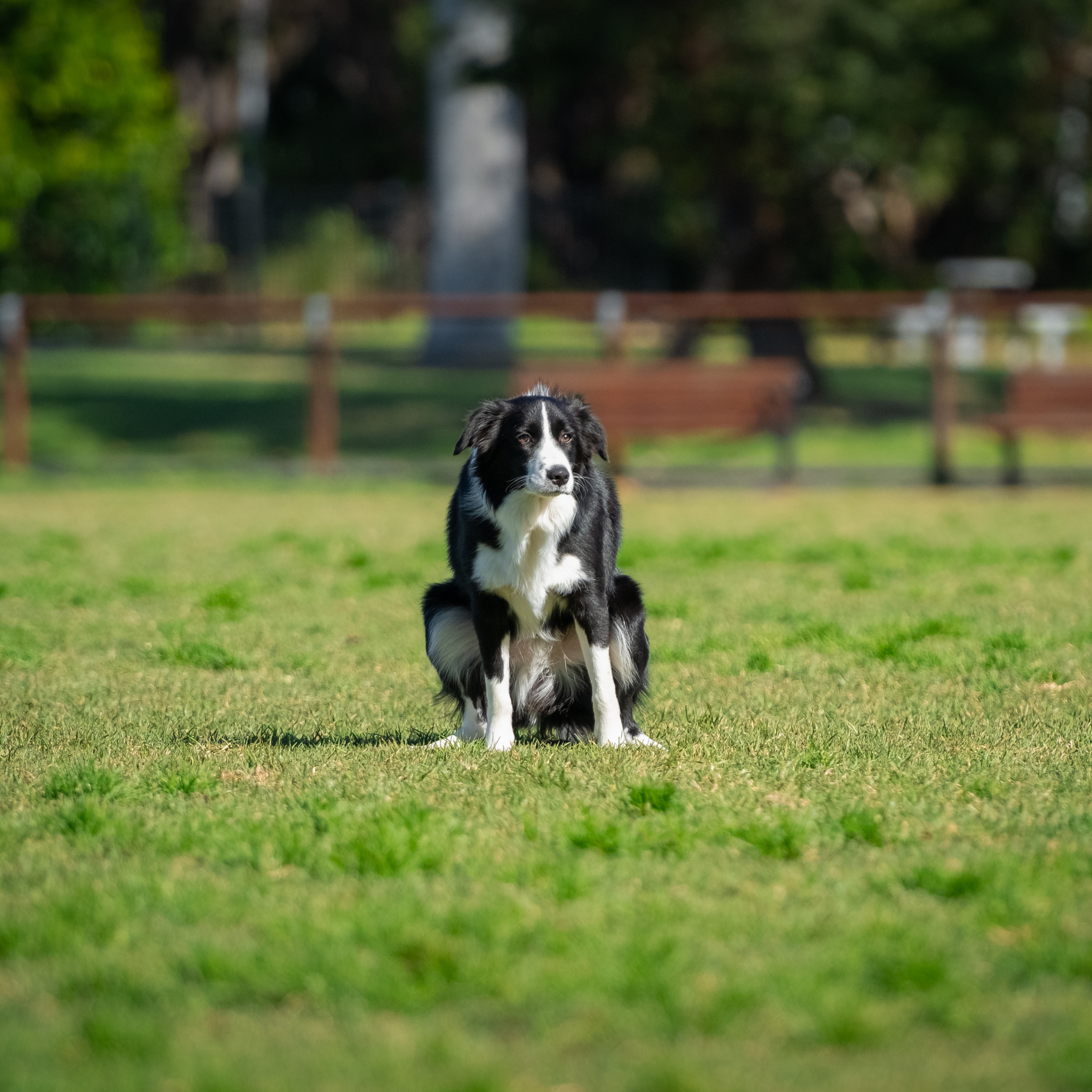
Your pet’s stool is one of the easiest ways to check in on their gut health. A healthy poop is firm, well-formed, easy to pick up, and not overly smelly (yes, really!).
Changes in consistency, colour, or odour can signal that the gut microbiome is out of balance - a condition called dysbiosis.
Here’s what to look out for:
-
Loose, runny, or discoloured stool: Possible inflammation or bacterial imbalance.
-
Strong odour or mucus: May indicate irritation or food sensitivity.
-
Straining or constipation: Could be dehydration, low fibre, or disrupted gut movement.
-
Sudden changes: Often linked to diet shifts, stress, or medication (like antibiotics).
As a vet, I often hear pet parents say, “Oh, their stool’s always been soft.” But here’s the truth - loose stools aren’t normal. They’re your pet’s way of saying something’s off.
How gut health affects your pet's skin
Ever noticed your pet’s itchy paws, dull coat, or constant scratching? It might not just be allergies - it could start in the gut.
When gut bacteria are out of balance, inflammation can spread through the body and show up as skin problems. Research even shows that dogs with skin issues often have less diverse gut bacteria.
A healthy gut = calm skin, shiny coat, happy pet.
Simple, gut-friendly habits for your pet
Supporting your pet’s digestive health doesn’t have to be complicated. Try these three easy habits to keep things running smoothly:
1. Keep them hydrated
Water helps food move through the digestive tract and supports nutrient absorption. Try adding a splash of water to meals - especially during the warmer months.
2. Include prebiotics and probiotics
-
Probiotics = the good bacteria that support digestion and immunity.
-
Prebiotics = the fibre that feeds those good bacteria.
Together, they build a healthy, balanced microbiome. Look for pet-specific probiotic supplements, or ask your vet for guidance.
3. Choose whole, nutrient-rich foods
A complete, high-quality diet (with real ingredients you can pronounce!) provides the foundation for a healthy gut. Avoid fillers, artificial colours, and additives.
How collagen supports your pet's gut health
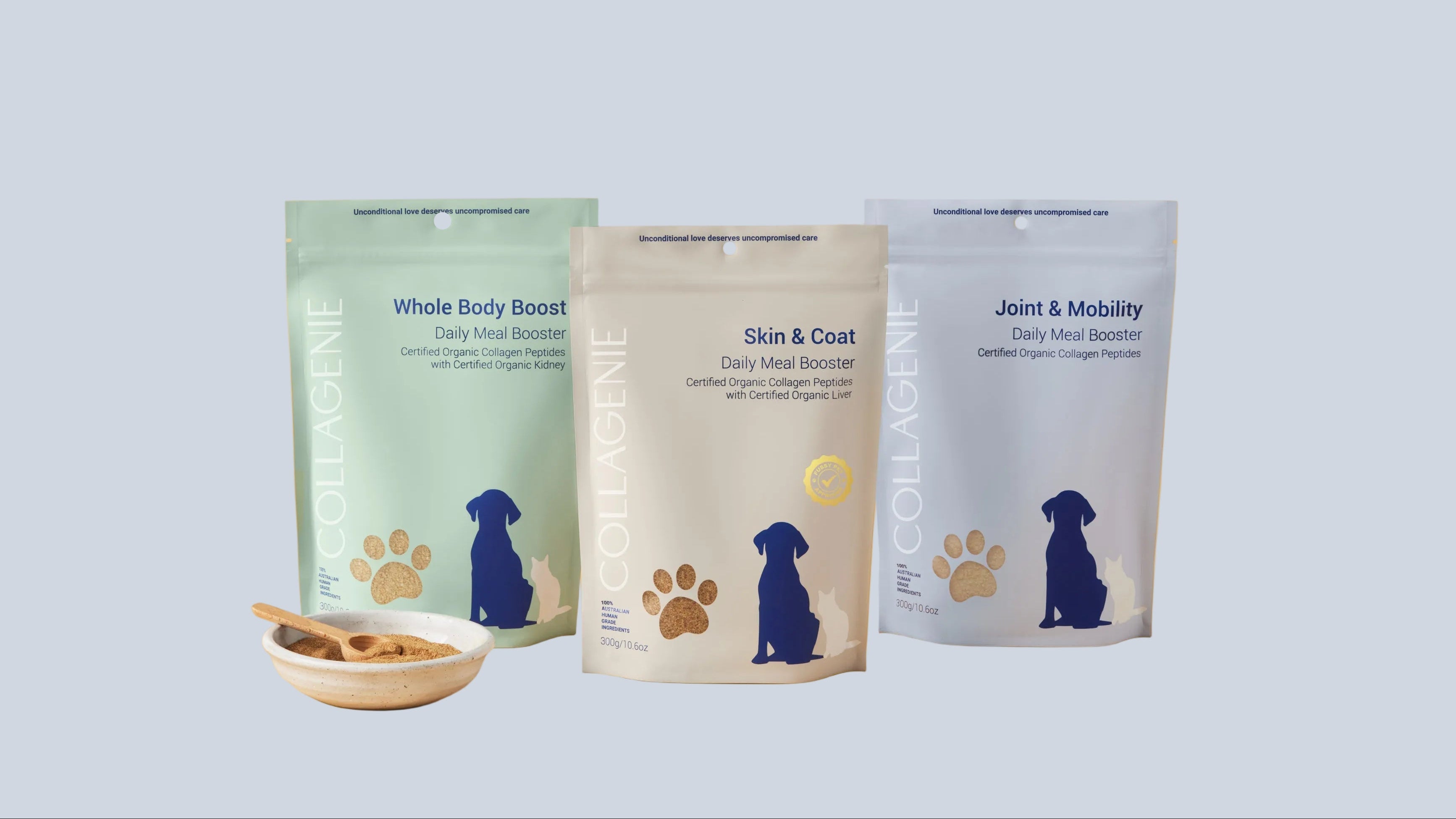
Hydrolysed collagen peptides - especially organic, human-grade ones like Collagenie’s - can help maintain the gut lining and support repair.
Collagen’s amino acids - glutamine, glycine, and proline - nourish and protect intestinal cells:
-
Glutamine helps maintain the gut barrier.
-
Glycine supports connective tissue and reduces inflammation.
-
Proline assists in tissue repair and cell renewal.
This makes collagen a gentle, natural way to strengthen your pet’s digestive system and help everything stay balanced - inside and out.
When to talk to your vet
If your dog or cat frequently has soft stools, bad breath, bloating, or dull fur, it might be time for a gut check. Persistent digestive changes aren’t “just normal” - they’re little red flags that deserve attention.
A vet visit (and possibly a stool test) can help uncover the root cause and set your pet back on track to wag-worthy wellness.
The bottom line (pun intended)
Your pet’s gut plays a starring role in their health - and their poop is the daily progress report.
By focusing on whole foods, hydration, probiotics, and collagen, you’re not just supporting digestion - you’re nurturing their immunity, energy, skin, and mood, too.
Because when it comes to your furry family, every scoop (and every poop) tells a story.